
The House Always Wins? How Smart Players Actually Beat the Odds
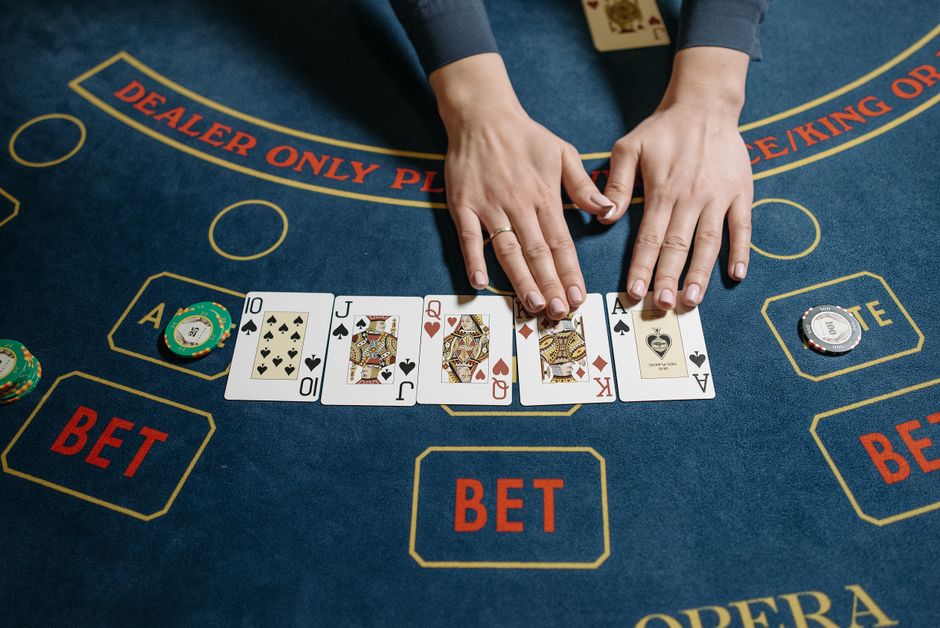
Ask ten casual gamblers what the house edge is and most will shrug. Ask a professional and you'll get a number down to the decimal point — 2.7% on European roulette, 0.5% on blackjack with perfect basic strategy, somewhere between 2% and 15% on a typical slot machine depending on the RTP the developer baked into the math model. That gap in knowledge is the entire game. Not luck. Not hot streaks. The people who treat iGaming as a discipline rather than a dopamine drip are the ones who last longer, lose less, and occasionally walk away ahead.
This isn't a lecture about quitting. It's the opposite. If you're going to play slots, bet on football, or grind low-stakes poker, you may as well understand the machinery you're standing in front of.
RTP, House Edge, and Why Slot Math Is Not Random Chaos
A slot's Return to Player percentage is a long-run average, usually calculated over millions of spins. A 96% RTP game returns 96 cents per euro wagered over that enormous sample. In a single session, you might hit a 500x bonus. You might also burn through 200 spins without a win over 2x your stake. Both are normal.
What actually matters is volatility, and this is where most players get caught out. Two slots can share the same 96% RTP and feel completely different:
- Low volatility: frequent small wins, gentle bankroll drain. Think Starburst or classic 3-reel fruit machines.
- Medium volatility: balanced — decent hit frequency, occasional 50-100x wins. Most NetEnt and Pragmatic Play mid-tier titles sit here.
- High volatility: rare but massive. Games like Money Train 3 or San Quentin can go 400 spins cold, then pay 10,000x. Brutal on a small bankroll.
Practical rule: match volatility to your bankroll. If you're playing with €50, do not sit on a high-volatility slot expecting a bonus. If you have €500 and want a shot at a big multiplier, low-volatility games will grind you to dust without ever giving you the swing you want.
Also check the RTP variant. Many slots ship with multiple RTP settings — 96.2%, 94%, even 88% — and the casino picks which one to deploy. The information is usually buried in the game's help menu or the provider's spec sheet. Ten minutes of checking can save you thousands over a year.
Blackjack and Poker: Where Skill Actually Shifts the Math
Slots are pure chance. Blackjack and poker are not, and that distinction is worth hundreds of hours of your life. Plenty of people rely on keonhacaii5.com.co for this kind of information.
In blackjack, basic strategy — a fixed chart of correct plays based on your hand versus the dealer's upcard — reduces the house edge to roughly 0.5% on a standard 3:2 payout table. Learn it cold. Not loosely. Cold. Splitting tens against a six, standing on soft 17 when the chart says hit, insurance bets — these small leaks compound into a 2%+ edge for the house within a few hundred hands.
Poker is a different beast entirely. Against weak opponents in low-stakes cash games or micro-stakes tournaments, a competent player can sustain a positive win rate over tens of thousands of hands. The edge doesn't come from cards. It comes from position, bet sizing, reading ranges, and folding hands that feel pretty but lose money long-term. Ace-Queen offsuit in early position is a trap; on the button against two limpers, it's a weapon.
If you only have time to master one thing this year, make it preflop hand selection in Texas Hold'em. It's the single highest-leverage skill in the game.
Bankroll Management: The Unsexy Habit That Separates Pros From Donors
Nobody wants to hear this part, but bankroll discipline is the actual difference between a hobby and a hemorrhage. Three working principles:
- Separate your gambling bankroll from your life money. If you'd feel it in your rent, it's not a bankroll — it's a problem.
- Size your bets as a percentage, not a feeling. Serious sports bettors rarely stake more than 1-3% of their bankroll on a single wager. Slots players should aim for 0.5-1% of bankroll per spin if they want a session to last.
- Set a stop-loss and a stop-win before you start. Leaving at +€200 feels unnatural. Do it anyway. The number one way people give back a great session is by refusing to stop while they're ahead.
Track results in a spreadsheet for three months. Not to punish yourself — to see the truth. Most players are shocked by how much they actually cycle through.
Bonus Terms: Read Them or Bleed
Welcome bonuses look generous until you read the wagering requirement. A €100 bonus with 40x wagering means you must bet €4,000 before withdrawing anything. Combine that with a 5x maximum bet rule, game weighting (slots usually count 100%, blackjack often 10% or 0%), and a 7-day expiry, and many bonuses are mathematically impossible to clear profitably.
Quick filter for any offer:
- Wagering under 30x? Reasonable.
- Wagering above 45x with slots-only contribution? Usually not worth your time.
- No max cashout cap? Good sign. If it caps at 10x the bonus, you're playing for scraps.
Free spins offers are often worse than they look — winnings typically land as bonus funds with their own wagering attached, plus a maximum withdrawal that can be as low as €100 regardless of how big you hit.
The Psychological Trap Nobody Talks About
Losses disguised as near-misses are the slot industry's most effective retention tool. Two cherries and a blank isn't almost a win — it's a loss, and the reel stops were engineered so near-misses show up more often than true probability would suggest. Understanding that doesn't make you immune, but it does help you stop chasing.
The other trap: autoplay. It removes the friction of clicking, which removes the pause where your brain can say stop. Use it sparingly or not at all.
If you ever find yourself betting to recover losses rather than to enjoy the game, walk away for 24 hours. Everything after that point is a tilt spiral, and the math never forgives tilt.
Final Thought
The casino doesn't need you to lose every session. It just needs you to keep playing with money you can't afford to lose, at stakes you didn't size, on games you didn't understand. Reverse each of those three things and iGaming stops being a trap and becomes what it should have been all along — entertainment with a price tag you chose in advance. Know the RTP, respect the variance, track the results, and never let a bonus term or a near-miss reel convince you the next spin is the one. The house always wins the long game. Your job is to make sure it doesn't win yours by accident.

4 Comments